In today's world, making your house more energy efficient is not only a smart financial decision but also a positive step toward a more sustainable lifestyle. With the rising energy costs and an increasing awareness of environmental impact, homeowners are seeking cost-effective ways to reduce energy consumption without compromising comfort. There are numerous strategies available that can help you achieve a more energy-efficient home, ranging from simple adjustments to more comprehensive upgrades. Let's explore some of the most effective methods to enhance your home's energy efficiency while keeping costs in check.
1. Upgrade to Energy-Efficient Lighting
Switching to energy-efficient lighting is one of the simplest and most cost-effective ways to make your house more energy efficient. Traditional incandescent bulbs consume a significant amount of energy and have a shorter lifespan compared to modern alternatives. Replacing them with LED or CFL bulbs can reduce energy usage and save on electricity bills. These bulbs use a fraction of the energy and can last up to several times longer, making them a wise investment. They are also available in various color temperatures, allowing you to maintain the ambiance of your home while being energy-conscious.
2. Install a Programmable Thermostat
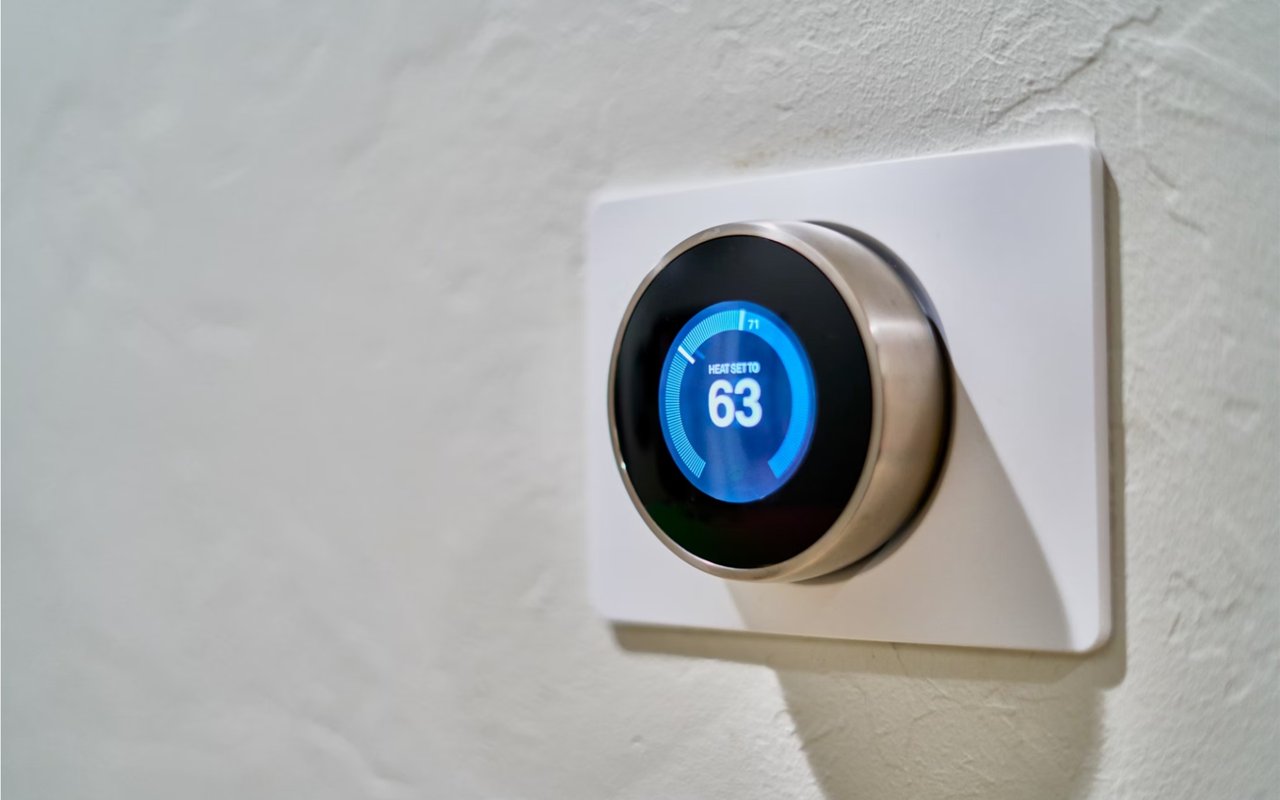
A programmable thermostat is an excellent tool for managing your home's heating and cooling needs efficiently. By allowing you to set specific temperatures for different times of the day, you can ensure that your HVAC system is only running when needed. This reduces energy consumption and extends the life of your heating and cooling equipment. Many modern thermostats come with smart features, enabling remote control via smartphone apps. This means you can adjust your home's temperature settings even when you're not there, ensuring optimal energy use at all times.
3. Seal Windows and Doors
Drafty windows and doors can lead to significant energy loss, as they allow conditioned air to escape and outside air to enter your home. Sealing these gaps is a cost-effective way to improve your home's energy efficiency. Weatherstripping and caulking are simple solutions that can be applied to windows and doors to prevent drafts. These materials are inexpensive and easy to install, making them an accessible option for most homeowners. By sealing gaps, you can maintain a consistent indoor temperature and reduce the workload on your HVAC system.
4. Add Insulation
Proper insulation is crucial for maintaining a comfortable indoor environment and reducing energy consumption. If your home lacks adequate insulation, especially in the attic and walls, you may lose significant energy. Adding insulation is a cost-effective measure that can lead to substantial energy savings over time. Various types of insulation are available, including fiberglass, cellulose, and spray foam, each with its own benefits. By consulting with a professional, you can determine the best insulation solution for your home, ensuring maximum efficiency.
5. Use Energy-Efficient Appliances
Upgrading to energy-efficient appliances is another effective way to reduce energy consumption in your home. Older appliances tend to use more energy, and replacing them with ENERGY STAR-rated models can lead to significant savings. These appliances are designed to use less energy while providing the same level of performance. Whether it's a refrigerator, dishwasher, or washing machine, choosing energy-efficient models can lower your utility bills and contribute to a more sustainable home. Additionally, many energy-efficient appliances come with advanced features that enhance convenience and functionality.
6. Install Low-Flow Fixtures
Water heating can account for a significant portion of your home's energy use. By installing low-flow fixtures, such as showerheads and faucets, you can reduce water consumption and the energy required to heat it. These fixtures are designed to maintain water pressure while using less water, making them an effective way to conserve resources. Low-flow fixtures are relatively inexpensive and easy to install, making them a practical choice for homeowners looking to improve energy efficiency without a major investment.
7. Utilize Natural Light
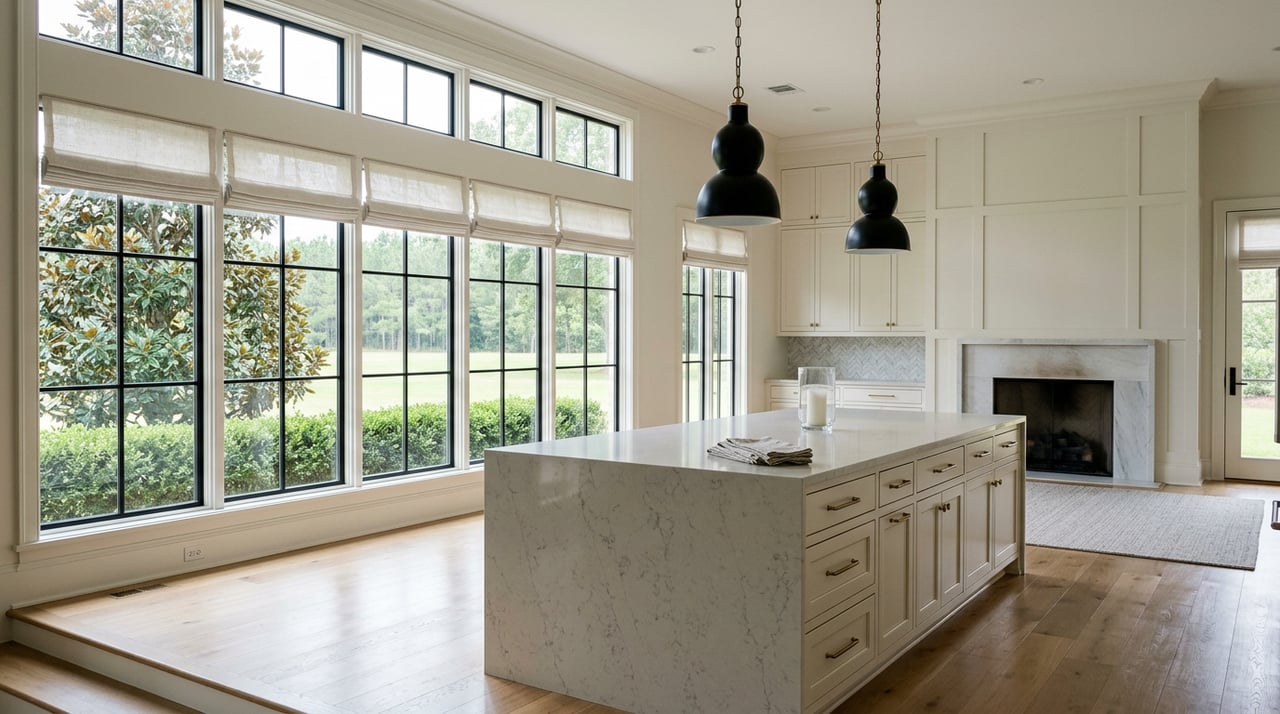
Maximizing natural light is a simple yet effective way to reduce energy consumption in your home. By strategically placing mirrors and choosing light-colored paint for walls and ceilings, you can enhance the distribution of natural light throughout your living spaces. This reduces the need for artificial daylight during the day, saving energy. Additionally, consider installing skylights or larger windows in areas with limited natural light. These upgrades can brighten your home and create a more inviting atmosphere while reducing reliance on electric lighting.
8. Maintain HVAC Systems
Regular maintenance of your HVAC systems is essential for ensuring they operate efficiently. Dirty filters, clogged ducts, and worn-out components can cause your heating and cooling systems to work harder, leading to increased energy consumption. By scheduling routine maintenance, you can identify and address issues before they become major problems. Simple tasks like replacing air filters and cleaning vents can improve airflow and efficiency. A well-maintained HVAC system not only reduces energy use but also enhances indoor air quality and comfort.
9. Implement Smart Power Strips
Many electronic devices continue to draw power even when turned off, leading to unnecessary energy consumption. Smart power strips are a cost-effective solution to this problem. These strips automatically cut power to devices that are in standby mode, preventing energy waste. By using smart power strips for your entertainment systems, computers, and other electronics, you can reduce phantom energy use and lower your electricity bills. They are easy to install and can be used in any room where electronics are present.
10. Consider Renewable Energy Sources
While some renewable energy solutions may require a larger initial investment, they can lead to significant long-term savings and energy efficiency. Solar panels, for example, can provide a sustainable source of electricity for your home. By harnessing the sun's power, you can reduce your reliance on traditional energy sources and lower your utility bills. Many regions offer incentives and rebates for homeowners who install renewable energy systems, making them a more accessible option. Exploring renewable energy options can be a rewarding step toward a more energy-efficient home.
Make Your Home Energy Efficient Today
Making your home more energy efficient doesn't have to break the bank. You can save money and help the environment with a few simple changes. Whether it's sealing drafts or switching to LED bulbs, small steps can make a big difference. If you're in the Athens, GA, area and want more personalized advice, reach out to Holly Purcell for expert guidance tailored to your home.
*Header image courtesy of Unsplash
*Header image courtesy of Unsplash