By Holly Purcell Group
Choosing furniture is one of the most exciting parts of making a house feel like home, but it's also where many homeowners stumble. A beautiful piece that looks perfect in the showroom can feel completely wrong once it's in your living room. The secret to getting it right comes down to understanding scale, proportion, and how you actually live in your space. Here's our guide to choosing furniture that fits your Athens home perfectly.
Key Takeaways
- Measuring your space before you shop is the single most important step
- Scale and proportion determine whether furniture feels right in a room
- The 2/3 rule and 60/40 rule are simple guidelines that prevent common mistakes
- Furniture should fit both the dimensions of your space and the way you live
Start by Measuring Your Space
Before you fall in love with any piece of furniture, measure your space. This is the foundation of every good furniture decision, and skipping it is the most common mistake homeowners make. Shopping armed with measurements gives you far better results.
What to Measure
The essentials to note before you shop:
- Room dimensions — measure the length and width of the room, as well as ceiling height, which affects how large or small furniture should be
- Doorways and walkways — measure these to ensure your furniture can actually get into the room and that you'll have comfortable paths to move through
- Existing pieces — note the dimensions of furniture you're keeping so new pieces work in harmony with them
- Keep measurements handy — save them on your phone so you always have them when shopping in person or online
Understand Scale and Proportion
These two concepts are the key to rooms that feel balanced and intentional. Scale refers to how furniture relates to the room itself, while proportion refers to how furniture pieces relate to one another. Getting both right is what makes a space feel harmonious.
Making Scale and Proportion Work
How to apply these principles:
- Match furniture to room size — large rooms with high ceilings can handle larger, taller pieces, while smaller rooms with lower ceilings call for lower-profile, streamlined furniture
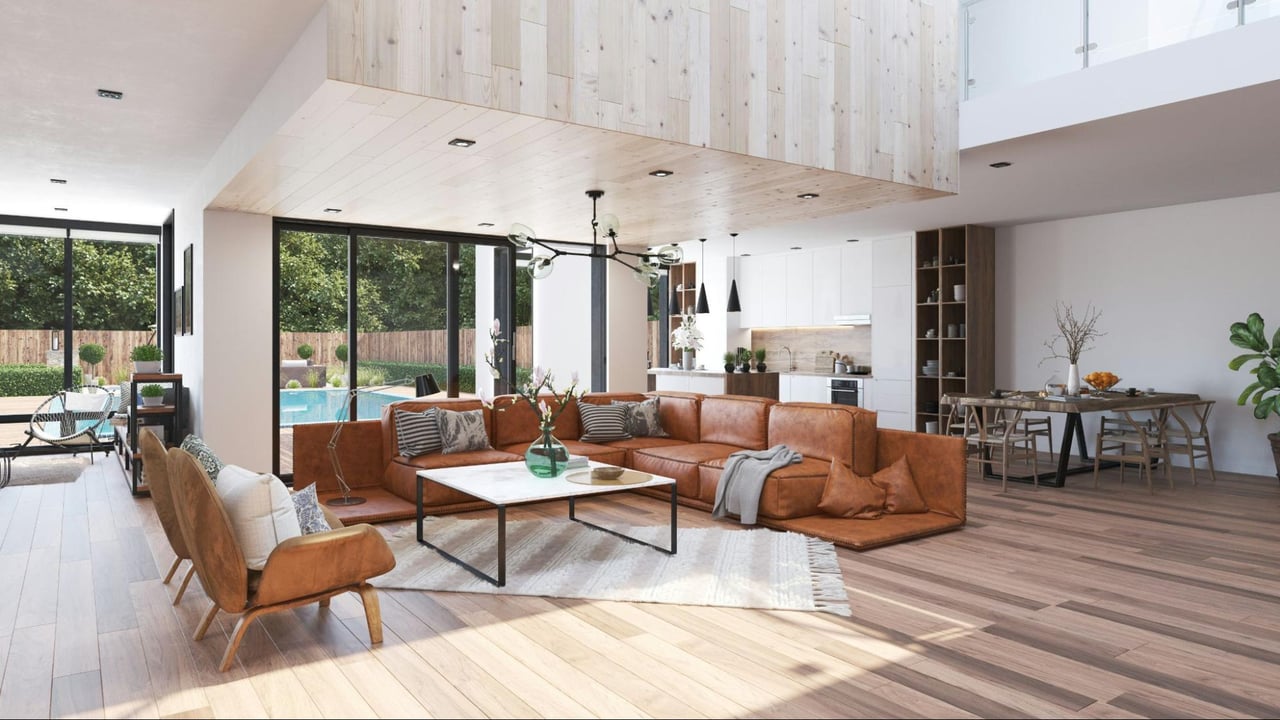
- Balance large and small pieces — avoid filling a room with furniture that's all the same size; pair a large sectional with smaller accent chairs for visual interest
- Pay attention to vertical scale — in rooms with high ceilings, taller pieces like bookshelves help fill the vertical space and feel intentional
- Start with the largest piece — anchor the room around your biggest item, usually the sofa, bed, or dining table, then build around it
Use Simple Designer Rules
You don't need to be an interior designer to get furniture sizing right. A couple of easy guidelines that professionals rely on will solve most of your furniture dilemmas.
Two Rules Worth Remembering
Guidelines that make a difference:
- The 2/3 rule — your sofa should be about two-thirds the length of the wall it sits on, and your coffee table about two-thirds the length of your sofa; this keeps pieces from dominating or looking lost
- The 60/40 rule — aim for furniture to occupy roughly 60 percent of your floor space, leaving 40 percent open for movement and visual breathing room
- Leave walking space — ensure comfortable pathways through the room so it feels easy to navigate
- Float furniture off the walls — pulling pieces a few inches away from walls often looks better than pushing everything back
Test Before You Commit
One of the best ways to avoid a costly mistake is to test how furniture will fit before you buy. A little effort here saves a lot of regret later. Use painter's tape to mark out the footprint of potential pieces on your floor, which lets you see how they'll interact with one another and the room. For larger items, cut cardboard to size and stand it up to test both the visual scale and the height. Online room planners can also help you rule out obviously wrong-sized pieces before you ever set foot in a store.
Don't Forget Function and Style
Finally, remember that the best furniture fits not just your dimensions but your life. A room that follows every design rule but doesn't suit how you actually live isn't doing its job. Consider how each piece will be used, whether it's comfortable and practical for your daily routine, and whether it reflects your personal style. In Athens, where homes range from charming historic properties to newer construction, choosing furniture that complements your home's character adds to its warmth and appeal. The goal is a space that feels both beautiful and genuinely livable.
FAQs
What's the most important step in choosing furniture?
Measuring your space before you shop is by far the most important step. Knowing your room dimensions, ceiling height, doorways, and walkways prevents you from falling in love with pieces that won't fit or will overwhelm the room. Shopping with measurements in hand leads to far better, more confident decisions and helps you avoid costly mistakes.
How do I know what size sofa to buy?
A helpful guideline is the 2/3 rule: your sofa should be about two-thirds the length of the wall it will sit against. So for a 12-foot wall, look for a sofa around 8 feet long. This keeps the sofa from either dominating the wall or looking lost on it, creating a balanced, intentional feel in the room.
How much open space should a room have?
A good rule of thumb is the 60/40 rule, where furniture occupies about 60 percent of the floor space and 40 percent remains open for movement and visual breathing room. Overcrowded rooms feel cramped and hard to navigate, while this balance keeps a space feeling comfortable, functional, and calm.
Making Your Athens House Feel Like Home?
Whether you're settling into a new home or refreshing your current one, thoughtful furniture choices make all the difference in how a space feels and functions. We love helping our clients find homes in Athens and Watkinsville that fit their lifestyle beautifully. If you're thinking about buying or selling in the area, we'd be glad to share our local expertise.